You’ve decided your child is ready for dance — or maybe you’re an adult finally ready to take that class you’ve been putting off for years. Either way, choosing where to study is one of the most important decisions you’ll make in this journey. Not all studios are equal. The right environment shapes not just technique, but confidence, discipline, and a child’s lifelong relationship with movement.
In Kent County, parents have options. But knowing what to look for separates a great experience from a frustrating one. This guide walks you through the four most important things to evaluate before you enroll — faculty credentials, studio infrastructure, performance philosophy, and what to look for on your first visit.
What to Look for in a Professional Dance Faculty
The instructor standing in front of your child every week will have an outsized influence — not just on technique, but on how your child sees themselves as a learner. This makes faculty credentials one of the most critical (and most overlooked) factors when evaluating dance studios in Dover, DE.
Professional Performance Experience Matters
There’s a meaningful difference between a dance teacher who has performed professionally and one who has only ever taught. Professional performance experience means an instructor has navigated real stages, real directors, and real pressure — and can translate that lived knowledge into their teaching. Ask studios directly: Where have your instructors performed? What companies or productions have they been part of?
This doesn’t mean you need someone who danced on Broadway (though that’s a bonus). It means you want faculty who understand dance as a craft that extends beyond the classroom.
Background Checks Are Non-Negotiable
This is the detail many parents feel uncomfortable asking about, but it is absolutely essential. Any reputable studio working with minors should conduct thorough background checks on all instructors and staff — no exceptions. If a studio is vague or evasive when you ask this question directly, take that as a serious red flag.
A professional studio will have a clear policy and be proud to share it.
Look for Ongoing Education
Dance pedagogy evolves. Great instructors continue learning — through certifications, workshops, and professional development. Ask whether faculty hold formal certifications in their disciplines (e.g., RAD or ISTD for ballet; certifications from organizations such as Dance Masters of America or ADAPT for jazz and tap). This signals a commitment to teaching quality, not just performance history.
The Importance of “Sprung Floors” for Injury Prevention
Most parents touring a dance studio focus on how the space looks. Few think to ask what’s underneath their feet — but they should. Floor construction is one of the most consequential factors in a dancer’s long-term physical health, and it’s something the best dance schools in Delaware invest in seriously.
What Is a Sprung Floor?
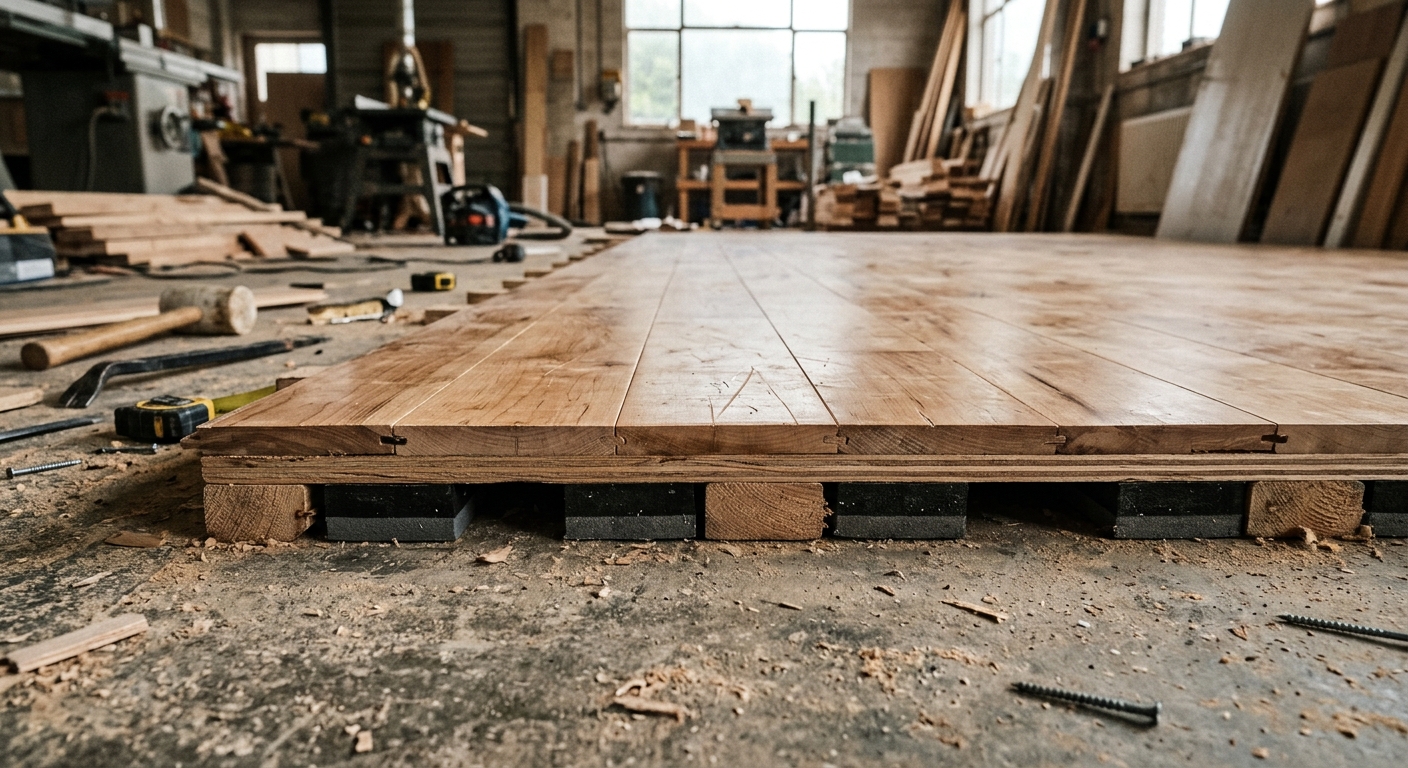
A sprung floor is a specialized flooring system built with a layer of cushioning beneath the surface — typically using foam, rubber, or wooden battens arranged in a way that absorbs impact. When a dancer jumps, turns, or lands, a sprung floor absorbs a portion of that force rather than sending it directly back into the joints.
The alternative — a “dead” floor laid directly over concrete — creates real and well-documented physical consequences. Over time, repeated impact on an unyielding surface leads to stress fractures, shin splints, knee problems, and hip issues. These injuries are not rare. They are predictable consequences of poor infrastructure.
Why This Matters for Young Dancers Especially
Children’s bodies are still developing. Growth plates are vulnerable. The cumulative stress of even a single class per week on a hard floor adds up over a season. For young dancers who may be training multiple days a week across multiple years, the floor beneath them is a health decision — not just an aesthetic one.
When you visit any studio, ask plainly: Do you have sprung floors in all your teaching spaces? If they do, they’ll tell you readily and often explain why. If they’re unsure what you mean, that’s your answer.
Surface Material Also Counts
Beyond the sprung foundation, the surface itself matters. Marley vinyl — a firm but slightly textured surface used in professional theaters — is the industry standard for most dance disciplines. It provides consistent grip for turns without being sticky, and it doesn’t splinter or warp. Hardwood over a sprung base is also excellent for tap. Be cautious of carpet (poor for technique), bare concrete (dangerous), or thin laminate that sounds hollow underfoot.
Performance vs. Competition: Finding the Right Balance
One of the biggest philosophical divides in the dance studio world sits between two orientations: competition-first studios and performance-first studios. Understanding the difference will help you find the right fit for your child.
The Hidden Costs of a Competition-Heavy Studio
Competition studios aren’t inherently wrong — for a certain type of driven, experienced dancer, they can be excellent. But for most children, especially those in the early to mid years of training, a hyper-competitive environment introduces pressures that can undermine the very thing that brought them to dance in the first place: joy.
The financial costs accumulate quickly: registration fees, custom costumes (sometimes hundreds of dollars per routine), travel to competitions, coaching surcharges, and private lessons. Parents report spending thousands per season at competition-heavy studios before they fully understood the commitment they’d signed on for.
More importantly, the emotional cost of an environment centered on rankings and judges’ scores can be significant for young children. Children who feel they aren’t performing at the level the studio needs for competition points may be subtly sidelined — or may internalize the message that they are not good enough.
What a Growth-Centered Philosophy Looks Like
A studio rooted in growth and performance rather than competition still gives students aspirational goals — a recital, a spring showcase, the thrill of a real stage and an audience. But the journey to that stage is built on encouragement, technique that develops at each student’s pace, and a culture where a beginner in the back row feels as valued as a lead dancer.
Ask any studio you visit: What percentage of your students compete? Is competition required? How do you handle students who aren’t interested in that track? The answers will tell you a great deal about the studio’s values.
Touring the Facility: A Checklist for Your First Visit
A studio can look polished on Instagram and still be the wrong fit. Nothing replaces an in-person visit. Here’s what to look for — and ask — when you walk through the door.
Before You Arrive
- Read the website carefully. Does it communicate clearly? Are tuition and class schedules easy to find, or buried?
- Check reviews on Google and Facebook. Look for patterns in both praise and complaints — one bad review means little; recurring themes mean something.
- Ask if you can observe a class. Reputable studios welcome this. A studio that won’t let you watch a class before enrolling should prompt questions about why.
What to Notice During Your Visit
The physical space:
- Are the floors sprung? (You can sometimes tell by gently jumping in place — a sprung floor has subtle give. Ask directly to confirm.)
- Is the space clean and well-maintained, including bathrooms and waiting areas?
- Is there a secure, supervised waiting area for parents separate from the studio floor?
- Is the building accessible for students with mobility considerations?
The instructors:
- Watch how teachers interact with students during class. Are they patient and encouraging? Do they correct with care?
- Are instructions age-appropriate? A 4-year-old’s class should look very different from a 12-year-old’s class.
- Is a class ever left unsupervised, even briefly?
The culture:
- How are you greeted when you arrive? Is the front desk staff welcoming and informed?
- Do the students you observe seem engaged and happy — or stressed?
- Are there visible policies posted (code of conduct, arrival/departure procedures)?
Questions to Ask Directly
Don’t be shy about asking the following — a confident, professional studio will answer all of them without hesitation:
- “Do all your instructors undergo background checks?”
- “What certifications or professional experience does the faculty hold?”
- “Are your studio floors sprung?”
- “Is competition required, or is it optional?”
- “What is your policy for students who need to miss classes?”
- “What does a typical annual cost look like, including costumes and recital fees?”
- “How do you communicate with parents throughout the year?”
Trust Your Instincts
No checklist fully replaces the feeling you get when you walk into a studio that’s right for your child. A space where people are warm, where the instructor crouches down to speak to a nervous five-year-old at eye level, where you feel like a partner in your child’s education rather than a customer to be processed — that’s the environment where dancers grow.
Making the Final Decision
Choosing among dance studios in Dover, DE comes down to a convergence of practical factors and gut feeling. Use the checklist above to eliminate studios that don’t meet basic safety and professional standards. Then look at which environment reflects the values you want your child surrounded by.
Dance is one of the few disciplines that develops physical coordination, artistic expression, emotional resilience, and social confidence all at once. The studio you choose will shape how your child experiences all of those things.
Take your time. Ask your questions. And choose a place where your child can’t wait to walk back through the door.
If you’re in the Dover, Delaware area and looking for a dance studio for your child, we’d love for you to come see what we do. We’ve been teaching students of all ages since 2000 and are happy to answer any of the questions above before you make any decisions.
Check our class schedule or contact us to set up a visit or ask about enrollment.
 The Dance Factory